
Updated June 2nd, 2026
Every June, cities across the country fill with rainbow flags, parades, celebrations, and events honoring LGBTQ+ Pride Month. For many people, Pride Month is a time of joy, self-expression, community, and visibility. But behind the celebrations is a deeper history rooted in resilience, advocacy, identity, and the fight for acceptance and equal rights.
For members of the LGBTQ+ community, Pride Month can also hold powerful emotional meaning. Feeling accepted, affirmed, and safe to openly be yourself can have a profound impact on mental health and well-being. Unfortunately, many LGBTQ+ individuals still face discrimination, stigma, rejection, bullying, or barriers to support, all of which can contribute to higher rates of anxiety, depression, trauma, and other mental health challenges.
That’s part of why Pride Month matters. It is not only a celebration of identity and progress, but also a reminder of the importance of visibility, community, support, and access to affirming spaces, including affirming mental health care.
Many people participate in Pride Month events without fully knowing the history behind them or how Pride Month began. Understanding that history can help us better appreciate the significance of this month and the ongoing importance of acceptance, advocacy, and support for the LGBTQ+ community.
Keep reading for a quick history lesson on how this important month of celebration, love, resilience, and pride began.
Pride Month is celebrated every June to honor the 1969 Stonewall Uprising in Manhattan, a pivotal event that marked the beginning of the movement to outlaw discriminatory laws and practices against LGBTQ+ individuals. The Stonewall Uprising was a tipping point for the Gay Liberation Movement in the United States.
The Stonewall uprising was a series of violent confrontations that began between police and gay rights activists outside the Stonewall Inn, a gay bar in the Greenwich Village section of New York City. As the riots progressed, an international gay rights movement was born.
Today, pride month is both a joyful celebration of visibility and a time of reflection on the struggles and victories of the LGBTQ+ community. Throughout the month, events such as parades, parties, concerts, and workshops are held worldwide to recognize the influence LGBTQ+ people have had around the globe.
It's a time to celebrate diversity, promote dignity, and increase the visibility of the LGBTQ+ community through a message of acceptance and equality.
LGBTQ+ is an acronym that stands for Lesbian, Gay, Bisexual, Transgender, and Queer, with the "+" symbolizing the inclusivity of other sexual identities, orientations, and gender expressions that are not specifically covered by these five letters. Each term represents a specific community:
The "+" acknowledges the diversity within the community, including those identifying as pansexual, asexual, intersex, and other orientations and identities, ensuring that all are recognized and included. The term "LGBTQ+" emphasizes the community's acceptance and celebration of diverse sexual and gender identities.
The Pride flag, widely recognized as a symbol of the LGBTQ+ community, stands for diversity, inclusion, and the spectrum of human identities and experiences. Originally designed by Gilbert Baker in 1978, the flag featured a rainbow of colors, each with its own meaning:
Over the years, variations of the flag have been created to include more members of the community, such as the addition of black and brown stripes to represent people of color, and the inclusion of pink, light blue, and white to represent the transgender community.
Each version of the Pride flag continues to be a powerful emblem of the ongoing struggle for equal rights, as well as a visible celebration of the achievements and identity of the LGBTQ+ community.
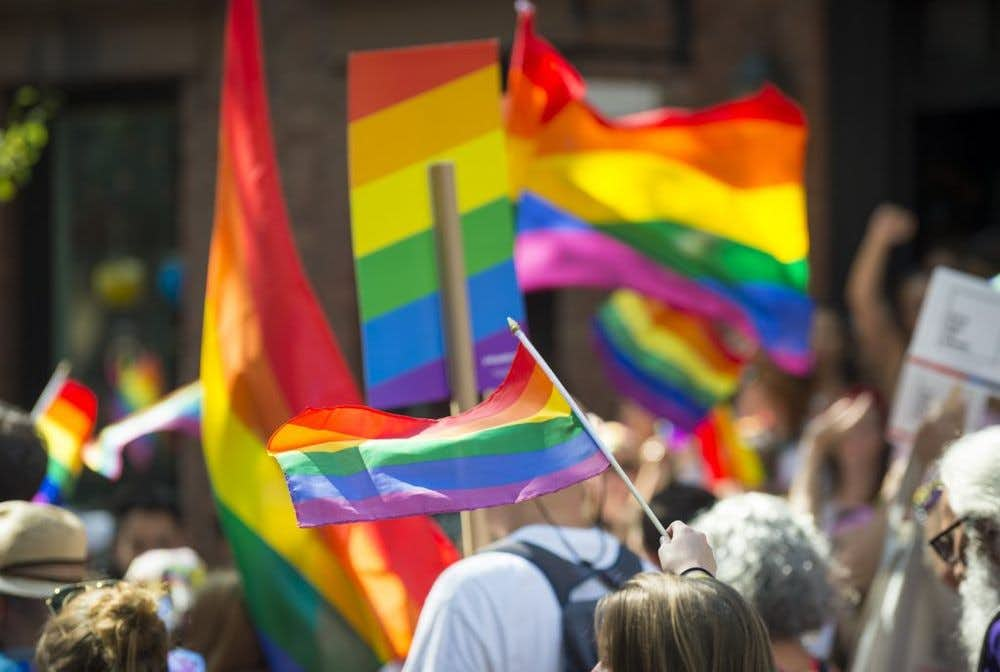
You can celebrate Pride Month in many different ways. June is often filled with events and activities that both honor the history of the LGBTQ+ rights movement and celebrate the diversity, resilience, and strength of the LGBTQ+ community. For many people, Pride Month is also a reminder of the importance of acceptance, community, self-expression, and mental health support.
Pride Month can be a meaningful time to connect with others, learn more about LGBTQ+ history, support LGBTQ+ organizations and businesses, advocate for inclusivity, or simply create space for yourself or others to feel seen and accepted. It can also be an opportunity to prioritize emotional well-being and seek affirming support if you have been struggling with anxiety, depression, identity-related stress, trauma, or other mental health concerns.
Whether you are part of the LGBTQ+ community or an ally looking to show support, here are some ways to participate and celebrate:
There are several purposes for this commemorative month. It is an opportunity for the community to come together and give praise and recognition to the advances and setbacks that have been made.
It provides moments to shed light on the impact that lesbian, gay, bisexual and transgender individuals have had on history locally, nationally, and internationally. It is a time to truly celebrate in a festive, safe, and affirming atmosphere.
At Clarity Clinic, we understand the unique challenges faced by the LGBTQ+ community and are committed to providing specialized LGBTQ+ mental health support that respects and addresses these needs. Our inclusive environment and expert staff are here to ensure that every individual receives the compassionate care they deserve.
Your mental health is important, and you deserve a space where you are fully seen and supported. Book an appointment today in one of our mental health clinic locations throughout Chicago (Loop, River North, Lakeview Broadway, Lakeview Belmont, Evanston, Arlington Heights) or use our online therapy services.
Let us be a part of your support system, helping you navigate and celebrate your true self. Clarity offers the best mental health services near you!
See How We Can HelpRelated Readings:
The first pride marches were held on June 28th, 1970, one year after the Stonewall uprising. Pride month was then recognized by president Bill Clinton in 1999.
The original rainbow flag was designed by artist Gilbert Baker in 1978.
LGBT Pride Month has been celebrated every June since 1970, one year after the Stonewall Uprising.
The main day of Pride Month is often considered to be June 28th, marking the anniversary of the Stonewall Riots.
No, Pride Month is not an official national holiday, but it is widely recognized and celebrated across the United States and many other countries.
Therapy can help individuals navigate the unique challenges they face as members of the LGBTQIA+ community, including discrimination, stigma, and social isolation. It can also help individuals work through issues related to their sexual orientation or gender identity and develop coping skills to manage stress and anxiety.
If you are looking for LGBTQ+ friendly therapy in Chicago, Clarity Clinic offers affirming mental health care throughout the Chicagoland area. Our team includes therapists and psychiatric providers who are experienced in supporting LGBTQ+ individuals with concerns related to identity, anxiety, depression, trauma, relationships, self-esteem, and more. We offer both in-person appointments at multiple Chicago-area clinic locations and online therapy services across Illinois for added flexibility and accessibility.


